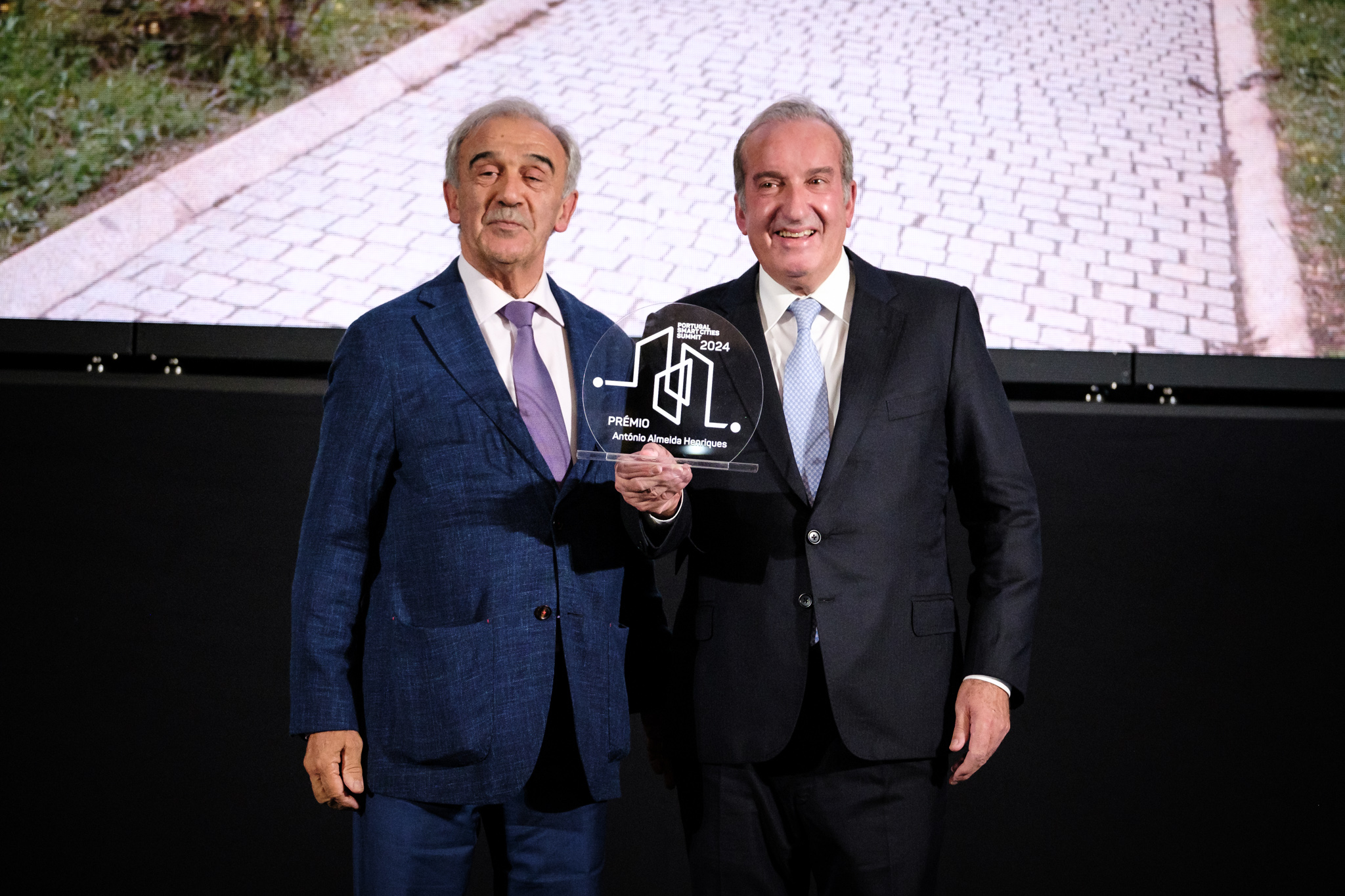
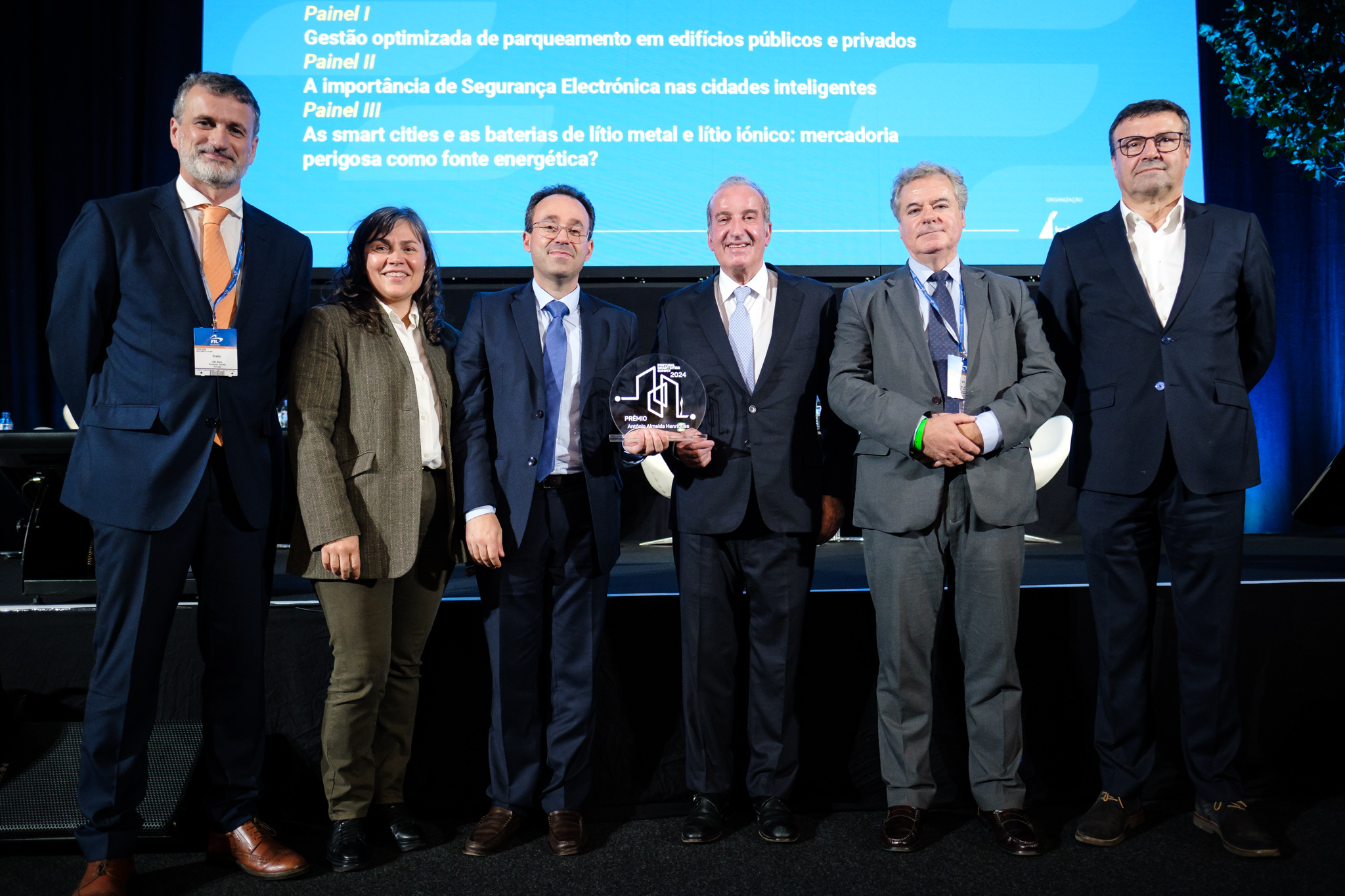
Named in honor of Dr. António Almeida Henriques, the award recognises his significant contributions to advancing Smart Cities policies in Portugal. A former mayor and government official, Almeida Henriques was a pioneering advocate for sustainable urban innovation and played a crucial role in establishing a dedicated Smart Cities unit within the National Association of Portuguese Municipalities (ANMP). The award celebrates his enduring legacy by honoring innovative projects that promote intelligence, sustainability, and efficiency in urban development.
In his acceptance speech, Mayor António Silva Tiago stated, “This award is a recognition of the intense work done on the urban regeneration of this prime area of the municipality. Investment has been made to promote sustainable development, always focusing on improving people’s and families’ lives. We are firm in our belief that this endeavor fosters inclusion and strengthens the sense of belonging to the community.”
Gardens of Sobreiro
Due to its ongoing transformation, the neighbourhood is now known as the “Gardens of Sobreiro.” The area includes 44 four-storey housing blocks and 4 towers with 10 and 11 floors, totalling 504 residential units and a small commercial and services area on the ground floor. Most of the buildings have already been renovated or are nearing completion. The work is being coordinated by the municipal company Espaço Municipal – Renovação Urbana e Gestão do Património EM (Urban Renewal and Property Management), responsible for social housing management, in collaboration with the municipality, which handled the reformulation of public spaces.
At the building level, the primary interventions focus on improving thermal comfort and energy efficiency. This includes the installation of a new ventilated façade system made of cement panels that protect the external thermal insulation, the renovation of roofs with integrated thermal insulation, and the replacement of window frames with new aluminium ones that feature thermal cut-outs, double glazing, and self-regulating ventilation grilles.
In the coming months, a photovoltaic system will be installed on the rooftops of the buildings to reduce energy costs for residents and combat energy poverty. The system will generate clean energy and reduce reliance on traditional energy sources. Furthermore, a renewable energy community will be created, allowing residents to share the energy produced by the PV system. This initiative will promote environmental sustainability and social equity, ensuring that all residents benefit from lower energy costs while supporting the municipality’s long-term green goals.
Urban Renovation and Connectivity
On the urban level, the project has enhanced connectivity between the buildings by renovating infrastructure and public spaces, including green areas. Additionally, the demolition of one building and the opening of new connections to the urban fabric of Maia’s city center have improved accessibility, energy efficiency, and the quality of green and social spaces.
This ongoing transformation is part of one of the seven lighthouse projects chosen by the European Commission to explore the application of the New European Bauhaus (NEB) principles through the EYES HEARTS HANDS – Urban Revolution European project. The initiative goes beyond physical upgrades, taking a holistic approach that integrates social and ecological considerations. It emphasizes co-creation with the community, sustainable design, and energy efficiency to transform urban spaces into more inclusive and environmentally responsible environments.
Image credits: Mário Santos
Share the news: